
Understanding Trauma-Informed Technology
Trauma-informed technology represents a paradigm shift in mental health care, focusing on the unique needs of individuals who have experienced trauma. This approach prioritizes understanding the pervasive impact of trauma on mental health, ensuring that technology solutions are built with empathy and awareness. Traditional mental health care often follows a one-size-fits-all model, which can overlook the complexities of trauma. In contrast, trauma-informed technology tailors interventions to meet the specific needs of trauma survivors, fostering a supportive environment for recovery.
The significance of this shift cannot be overstated. As mental health awareness grows, the demand for effective, personalized care has intensified. Trauma-informed technology offers innovative solutions, such as apps that provide coping strategies, virtual reality experiences for exposure therapy, and online support networks that connect individuals with shared experiences. These tools not only enhance accessibility but also empower individuals by placing them at the center of their healing journey.
Trauma-informed technology transforms mental health care by placing the needs of trauma survivors at its core.
Understanding Trauma-Informed Technology
Trauma-informed technology refers to a paradigm shift in mental health care that integrates an understanding of trauma's impact on individuals. This approach emphasizes the need for sensitivity to the experiences of trauma survivors, ensuring that technology solutions are designed to support healing rather than exacerbate distress. Its significance lies in recognizing that traditional mental health practices often overlook the nuanced needs of those affected by trauma.
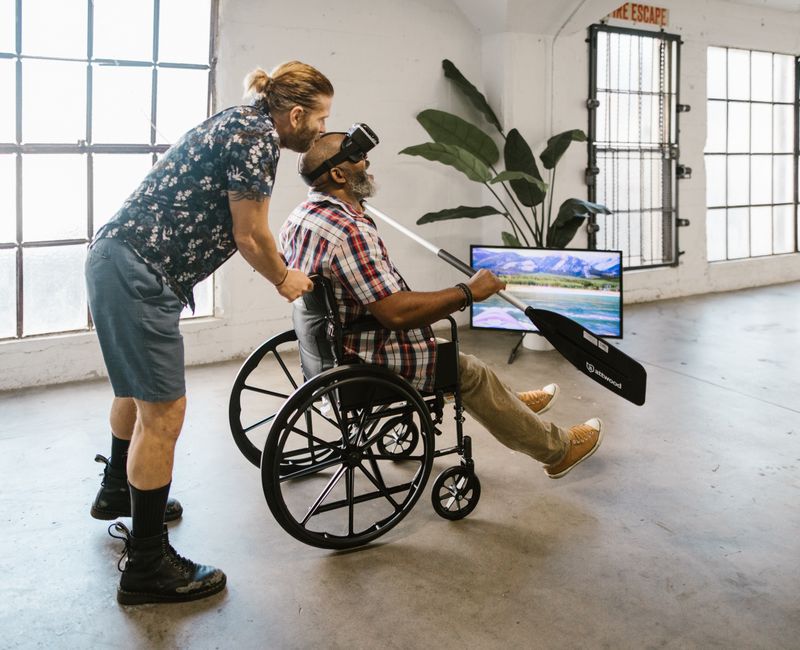
In contrast to conventional mental health approaches, which may rely primarily on face-to-face therapy and standardized treatment plans, trauma-informed technology leverages innovative tools and digital platforms to provide personalized support. For instance, mobile applications can offer on-demand coping strategies, while virtual reality can immerse users in controlled environments to address traumatic memories safely.
Real-World Applications
Real-world applications of trauma-informed technology are proliferating. For instance, platforms like Talkspace and BetterHelp enable users to connect with licensed therapists via messaging or video calls, making mental health care more accessible. Additionally, apps such as Headspace and Calm incorporate mindfulness practices specifically designed for trauma survivors, aiding in emotional regulation and stress management.
As we look to the future, the implications of technology in trauma recovery are profound. Increased data analytics could lead to more tailored interventions, while AI-driven chatbots might provide immediate support in crisis situations. Embracing trauma-informed technology is not just about enhancing care; it’s about redefining the mental health landscape to foster resilience and healing.
Real-World Applications of Trauma-Informed Technology
Trauma-informed technology is redefining mental health care by offering innovative applications that cater specifically to the needs of individuals who have experienced trauma. These solutions prioritize understanding and addressing the complexities of trauma, thereby enhancing therapeutic outcomes.
Effective Examples of Trauma-Tech
- Mobile apps like PTSD Coach provide resources and tools for managing PTSD symptoms, enabling users to track their mood and access coping strategies.
- Virtual reality (VR) exposure therapy, such as Bravemind, immerses patients in controlled environments to safely confront traumatic memories, significantly reducing avoidance behaviors.
- Teletherapy platforms like Talkspace offer accessible mental health support, allowing users to connect with licensed therapists through secure messaging and video calls, breaking geographical barriers.
Future Trends in Trauma Tech
Looking ahead, the integration of artificial intelligence into trauma-informed care is expected to personalize mental health interventions further. AI-driven algorithms can analyze patient data to tailor treatment plans, enhancing engagement and recovery rates. Additionally, the rise of wearable technology, such as smartwatches that monitor physiological responses, can provide real-time feedback, empowering individuals to manage their anxiety and stress levels more effectively.
Trauma-informed technology not only supports recovery but also fosters resilience, empowering individuals to reclaim their lives.— TraumaTech Expert
Common Pitfalls and Considerations in Trauma-Tech Implementation
While trauma-informed technology has the potential to transform mental health care, there are several pitfalls and considerations that practitioners and developers must keep in mind to ensure that these solutions are effective and ethically sound.
Understanding User Needs
One of the most significant mistakes is failing to thoroughly understand the needs and experiences of trauma survivors. Technology should be co-created with input from the very individuals it aims to serve. Without this engagement, solutions may miss the mark, creating more barriers rather than alleviating them.
Ignoring the diversity of trauma experiences can lead to solutions that do not resonate with or support all users.
Data Privacy and Security
Another critical consideration is data privacy and security. Trauma survivors often share sensitive information, and any technology solution must prioritize protecting this data. Breaches not only compromise user trust but can also exacerbate trauma.
- Implement robust encryption methods.
- Adhere to strict data protection regulations.
- Provide clear user consent options.
Evaluating Effectiveness
Finally, it is essential to evaluate the effectiveness of trauma-informed technologies. Continuous assessment and feedback loops should be established to ensure that these solutions adapt to the evolving needs of users and remain effective over time.
Effective trauma-informed technology requires ongoing evaluation and adaptation.— Expert in Trauma-Tech

Transforming Mental Health Care through Innovation
The integration of trauma-informed technology into mental health care represents a significant breakthrough in how we approach trauma recovery. By utilizing advanced tools and methodologies, we enhance the ability to deliver personalized, effective treatment that considers individual experiences and needs. This innovative approach not only fosters a more empathetic environment but also empowers individuals to take charge of their healing journey.
As we look to the future, the potential for trauma-informed technology to revolutionize mental health care continues to expand. From virtual reality therapies that simulate safe spaces to mobile applications offering 24/7 support, these tools are not only reshaping treatment protocols but also making mental health resources more accessible. The ongoing collaboration between mental health professionals and tech innovators will further drive this evolution, ensuring that care is both compassionate and effective.
Trauma-informed technology is paving the way for a new era in mental health care.